Sustainability at STAUFF
Sustainability is no longer just a trend, but a necessity. Companies around the world are looking for ways to further develop their processes. The STAUFF Group is also committed to this issue. A central component of these activities is the further development of packaging solutions that combine functionality with the use of recycled materials.
Under the STAUFF Impact label, the company brings together its activities in the areas of environmental, social and economic sustainability:
- Environmental sustainability: reducing emissions and resource consumption.
- Social responsibility: Creating fair working conditions and adding value to society.
- Economic sustainability: Efficient use of resources to remain competitive in the long term.
The bag packaging, which is being introduced in stages, is an example of these activities. It combines new approaches to material selection with the requirements for functionality and product protection.
The Switch to More Sustainable Packaging
The decision to switch to packaging solutions made from recycled materials marks an important step within STAUFF’s sustainability strategy. The aim is to further develop packaging solutions whilst expanding the use of recycled materials.
This process is closely linked to the principles of STAUFF Impact and encompasses both innovative approaches to material selection and optimisations in production and logistics. The following sections set out in detail the key steps and benefits of this transition:
- How the bags are manufactured from recycled materials and which technologies are used in the process.
- How the packaging is adapted to the different sizes and requirements of our components.
Through these measures, STAUFF combines new approaches to material selection with the functional requirements of industrial packaging solutions.
Production of the Bags
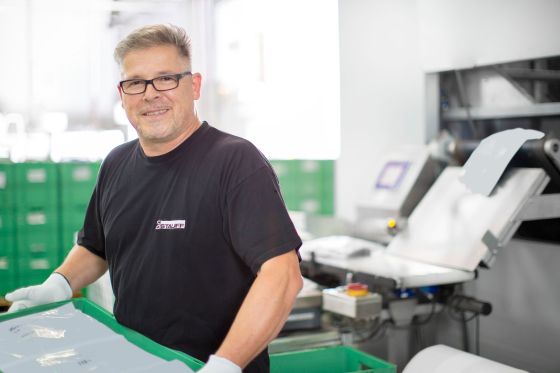
At the Plettenberg Ohle plant, STAUFF has revolutionized the packaging of pipe and hose clamps as well as the corresponding metal parts. Instead of conventional materials, bags made from recycled plastic are now used.
The production process is a significant step towards a circular economy:
Raw Material Sourcing: Suitable internal waste as well as waste from suppliers is collected and processed.
Processing: The waste is carefully sorted, cleaned, processed, and converted into granules.
Production: The granules are used to produce the bag film.
Finishing: The bags are printed with important information during production.
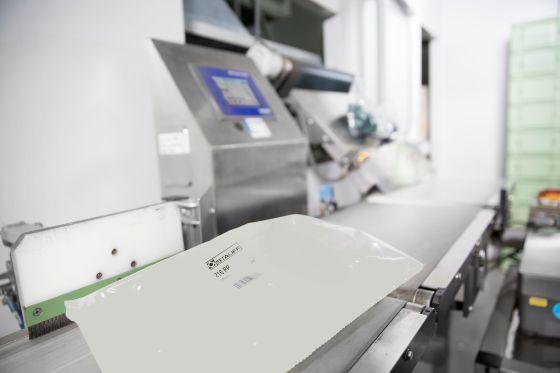
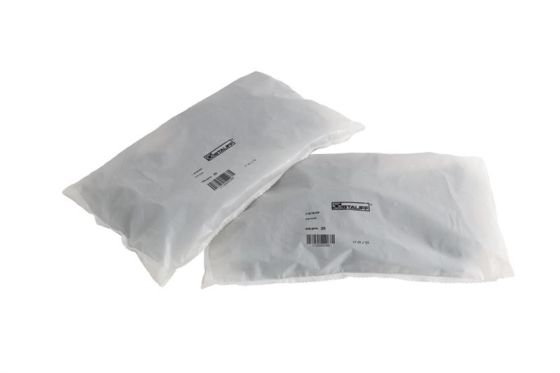
These bags are characterized by their milky-transparent color, robustness, and the high readability of the printed information.
Packaging by Component Size
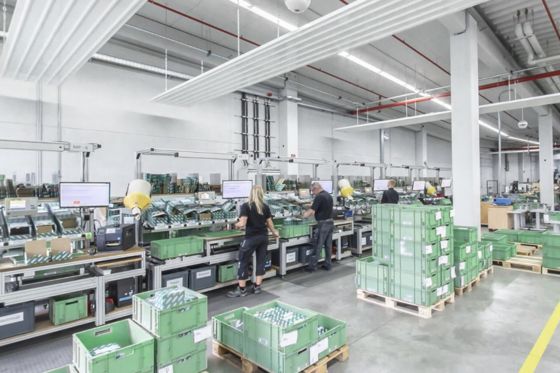
Components manufactured in our plant are packaged in bags up to a certain size. Larger and heavier components are packed in boxes or on pallets. This tiered packaging system ensures that components are packaged and protected in line with requirements throughout the supply chain.
Smaller Components (e.g., plastic clamp bodies, cover plates, welding plates in the standard and heavy-duty series): Bag packaging.
Larger Components (e.g., plastic clamp bodies, cover plates, welding plates in the heavy-duty series): Boxes or pallets.
Advantages of Bag Packaging
The use of bags offers numerous advantages:
Efficient Labeling: Bags are labeled directly during production by printing. This reduces the risk of mislabeling.
Protection of Components: Bags protect against contamination, moisture, and loss during transport.
Clear Identification: Bags are printed with logos, material descriptions, material numbers, quantities, barcodes, and other information. This facilitates identification and reduces errors in goods receipt. The labeling is particularly convincing due to its high abrasion resistance.
Material usage: By using recycled plastic, processed plastic waste is reused as a raw material for packaging.
Sustainability in Product Development
At STAUFF, sustainability does not stop at packaging. Even today, scrap material from the manufacture of plastic parts is reintroduced into the production process without compromising the functionality of the components.
Plastic remains an important material for numerous technical applications and opens up additional opportunities for the development and use of recycled materials.
FAQs
Why has the bag packaging been changed?
How many bags are used annually?
Approximately 7 million bags made from recycled material are used annually.
Which products are packaged in the new bags?
The switch began with plastic clamp bodies. Other components such as welding plates and cover plates are now also included.
Are the new bags as functional as the old ones?
Yes, the new bags are just as robust, tear-resistant and abrasion-resistant as the previous packaging. All printed information remains clearly legible and reliably scannable.

Newsletter Subscription
Sign up now and don't miss any new posts in the STAUFF Blog